%3Aformat(webp)%2Fhubspot_blogs%2F182543329155-Drakensberg.png&w=1920&q=75)
With seasons reversed compared to Europe, South Africa offers the joy of mild temperatures – generally pleasant, but which can also vary a lot over the course of a single day. Two main seasons stand out: the southern summer and winter. The southern summer runs from November to April, while winter runs from May to October. How do you choose the right season to visit South Africa? Which season would we recommend? That depends on your expectations and what you want from the country. We tell you more in this article.
South Africa has a varied topography, with a vast coastline stretching for several thousand kilometres along the Atlantic and Indian Oceans. The country takes in wide plains, grasslands, deserts, mountains, beaches and wetlands, which means the climate varies from one area to another. Let's discover what South Africa has in store for visitors during the southern summer. Two periods stand out: the southern summer, generally from November to April, and winter, generally from May to October. However, each region has its own particularities, which we describe below.
%3Aformat(webp)%2Fhubspot_blogs%2F182543329155-GardenRoute.png&w=1920&q=75)
The Cape region has a Mediterranean climate – pleasant, fairly mild and temperate all year round.
Southern summer: From September to April, summer is warm and dry, without being excessively hot compared with other parts of South Africa. Summer temperatures hover around 27–28°C, with peaks that can reach 39 or 40°C. The sea temperature averages around 20°C. Summer is also known for its cool wind, the “Cape Doctor”, from the south-east. The wind often blows hard over Cape Town!
Winter: From May to August, winter settles over the Cape, bringing a fairly mild, temperate climate. Average maximum temperatures are between 18 and 20°C and can drop to 8°C. Rainfall is heaviest at this time, averaging 80 mm a month from May to July.
Kalahari translates as “the great thirst” or “place without water”. This semi-arid desert stretches across parts of South Africa and has a hot, dry desert climate. Two seasons stand out here: a rainy season in November and December, and a hot, dry season – the South African winter – from June onwards.
Southern summer: The southern summer marks the rainy season. The rains arrive in the Kalahari from November and are especially heavy during November and December. These two months are followed by a rainy period that continues until May, and a little greenery appears, along with varied wildlife and plant life.
Winter: The Kalahari has a winter running from May to August. The days are then warm and sunny, as well as long and clear, but the cool nights can sometimes turn freezing – despite daytime temperatures that can reach highs of up to 45°C.
%3Aformat(webp)%2Fhubspot_blogs%2F182543329155-CapeTown.png&w=1920&q=75)
The Durban and KwaZulu-Natal region lies on the South African coast beside the Indian Ocean. Much loved for its white-sand beaches, but also its wildlife and mountains, the region has a subtropical climate and, in places, an oceanic one. It's the wettest region in the country, which allows it to grow bananas and sugar cane.
Southern summer: Summer, which runs from December to March in the Durban area, shows average maximum temperatures of 28°C. The season sees a lot of rainfall, often heavy – particularly between February and March.
Winter: Winter has pleasant temperatures. Average maximums range from 23°C to 25°C from May to September. Rain is less frequent, but not non-existent.
Johannesburg enjoys a subtropical climate, with mild, sunny winters and hot summers with the occasional thunderstorm. Its altitude means milder, more temperate weather – the city sits at 1,700 metres. Here's what the two seasons have in store for you:
Southern summer: In summer, the average temperature is between 28 and 30°C. Rainfall is heavy, with more than 100 mm of rain; November to January account for half the year's rain.
Winter: Winter is cooler, with temperatures ranging from 10 to 20°C; the nights are cold, dropping to below freezing because of the altitude.
%3Aformat(webp)%2Fhubspot_blogs%2F182543329155-SeasonsSouthAfrica6.png&w=1920&q=75)
The Karoo nature reserve in South Africa has a temperate, humid subtropical climate.
Southern summer: The southern summer differs between the plains and the mountainous areas. The plains are very hot in summer, with record temperatures beyond 40°C – a heavy heat that disappears in the mountains, which bring cool air all year round.
Winter: Snow sometimes appears on the peaks of the Karoo mountains in winter.
Limpopo is crossed by the Tropic of Capricorn. The region has a hot but fairly changeable climate.
Southern summer: The days are hot from October to March, with average maximums of up to 27°C. Showers aren't common in this season and the nights are fairly cool. Hot summer days can be interrupted by thunderstorms and rain clouds.
Winter: From May to September, in winter, the days are sunny and dry.
In the Madikwe region, the climate is marked by hot, humid summers and mild, sunny winters.
Southern summer: Most of the rain falls in mid-summer, in December and January especially. The weather is favourable, with temperatures between 24°C and a maximum of 32°C.
Winter: In winter, temperatures are pleasant, hovering around 22°C.
%3Aformat(webp)%2Fhubspot_blogs%2F182543329155-SeasonsSouthAfrica5.png&w=1920&q=75)
The Kruger Park region has a subtropical climate. It's hot for most of the year; daytime temperatures are pleasant to hot, exceeding 25°C.
Southern summer: Summer is the rainy season in Kruger Park, with heavy rains that fill the rivers and waterholes. Temperatures, meanwhile, exceed 30°C, making this a fairly heavy, hot season.
Winter: Winter is a season of mild but still relatively warm temperatures. The nights, however, can be very cold.
The Garden Route lies between two climatic regions, one temperate, the other Mediterranean. The climate is temperate for most of the year.
Southern summer: Summers are warm without being excessive, with maximum temperatures around 27°C.
Winter: Winters are mild and can sometimes be cold. One of the wettest areas is in the middle of the Garden Route. The winter months see heavy rainfall, mainly during July and August.
%3Aformat(webp)%2Fhubspot_blogs%2F182543329155-SeasonsSouthAfrica7.png&w=1920&q=75)
This is, in our view, the best time to visit South Africa. The weather is warm and pleasant with little rain. Wildlife watching is possible, which makes it a favoured season for safaris. The season also offers a sunny break during the Western winter. The Cape and Port Elizabeth areas are especially pleasant at this time. You can also enjoy the waterholes, which offer a pleasant temperature. The southern summer is also the birthing season, so you'll spot many newborns in the parks and reserves.
Among the downsides, it's the busiest period, so there will be a lot of people.
%3Aformat(webp)%2Fhubspot_blogs%2F182543329155-SeasonsSouthAfrica3.png&w=1920&q=75)
The winter season has the advantage of many sunny days in Durban, Kruger and Johannesburg, which makes it an ideal time for safaris. There are also relatively few mosquitoes and insects at this time. A big advantage of this season is that animals can easily be spotted as they head to the waterholes, since water is scarce. The rains often come in afternoon showers, which doesn't disrupt your trip.
Among the downsides are the cold nights, in contrast to the daytime, and the fact that it's often too cold to enjoy the beach and waterholes.
Select Date Range
Contact us
We’d love to hear from you. Please fill out this form.
All fields marked with (*) are mandatory.
%3Aformat(webp)%2Fhubspot_blogs%2F177312358252-MeilleurepriodesafariAfrique6.png&w=1920&q=75)
%3Aformat(webp)%2Fhubspot_blogs%2F162413178474-AFRBlogimagesMassiva.png&w=1920&q=75)
%3Aformat(webp)%2Fhubspot_blogs%2F96611946592-african_gastronomy_featured_image_BP_afr.png&w=1920&q=75)
%3Aformat(webp)%2Ff3bd3ce0-9458-4b6e-abac-3eda4912fb41-africa_ventura_logo_1200px_full_color.png&w=1920&q=75)
%3Aformat(webp)%2Fprofile-picture%2Fac95e35e-6142-427d-aed3-e90033adf0ad-f48c3f11-58cf-4cb0-b89a-0764861e6770-D885A1BB-2DA9-497D-B114-EF252CDD4CC3.jpg&w=1920&q=75)
%3Aformat(webp)%2Fprofile-picture%2F0db5ab50-a869-41b3-9221-bb91e536c520-999477b1-5216-43b6-b3fb-f565f2ac9517-a042073f-637d-45b9-82b9-7d2c97301c34.jpeg&w=1920&q=75)
%3Aformat(webp)%2Fprofile-picture%2Fbed004b2-b715-45cc-b38c-4900c26e4ee9-90b7e9e9-488d-47c9-a648-c60be255a696-91e9d39d-650f-44a6-8d8f-947829e288b4.jpeg&w=1920&q=75)
%3Aformat(webp)%2Fprofile-picture%2Fb022e753-45e7-48ae-8605-8426456967c6-98790099-4113-46e0-8c37-621e38d0b71c-0de1ba65-4104-4da4-aa33-383e85261d11.jpeg&w=1920&q=75)
%3Aformat(webp)%2Fprofile-picture%2Fff6f781f-e5ff-4007-bb3e-1f8360ff8854-c7881444-19de-4e87-a560-ccd4b609405b-b1ebb3c7-4166-41f0-a6f4-da715566df62-c7881444-19de-4e87-a560-ccd4b609405b-b9032ced-0d8c-49ee-881b-e2e5906b6871-c7881444-19de-4e87-a560-ccd4b609405b-3ac5895c-7d82-4ff2-8a91-3e79d18cdd0f-c7881444-19de-4e87-a560-ccd4b609405b-00997bca-7380-4c92-a82f-a1dbe4bd4d93-c5679819-7e4f-4949-ba42-0577a6baa53b-CEBC61F9-F18E-4455-824B-A277DED40398.jpg&w=1920&q=75)
%3Aformat(webp)%2Fprofile-picture%2Ff8cc0e36-6d99-4cd2-87ac-2c76b26d55b9-f9fda0d3-5236-456b-8e42-e1b44777b0af-798E9884-18B1-4FE3-9EC2-31E1A6AB786D.jpg&w=1920&q=75)
%3Aformat(webp)%2Fprofile-picture%2F39410910-6ddd-432e-94af-1f3714e95734-f9fda0d3-5236-456b-8e42-e1b44777b0af-0FCE1C72-AE89-4CE9-B223-D804A3D4FEDE.jpg&w=1920&q=75)
%3Aformat(webp)%2Fprofile-picture%2F99e676a3-b153-4bf5-927f-565a6388c891-99021a58-355a-492c-beb8-1167912e3847-84BBA9D2-32BA-4617-86FF-4FDF5BB167EA.jpg&w=1920&q=75)
%3Aformat(webp)%2Fheader_media%2F3d4d9ef1-1f7d-42e7-8713-e79e6e47f7c7-thibaut-tiberghien-fgfoffg7nl8-unsplash.jpg&w=1920&q=75)
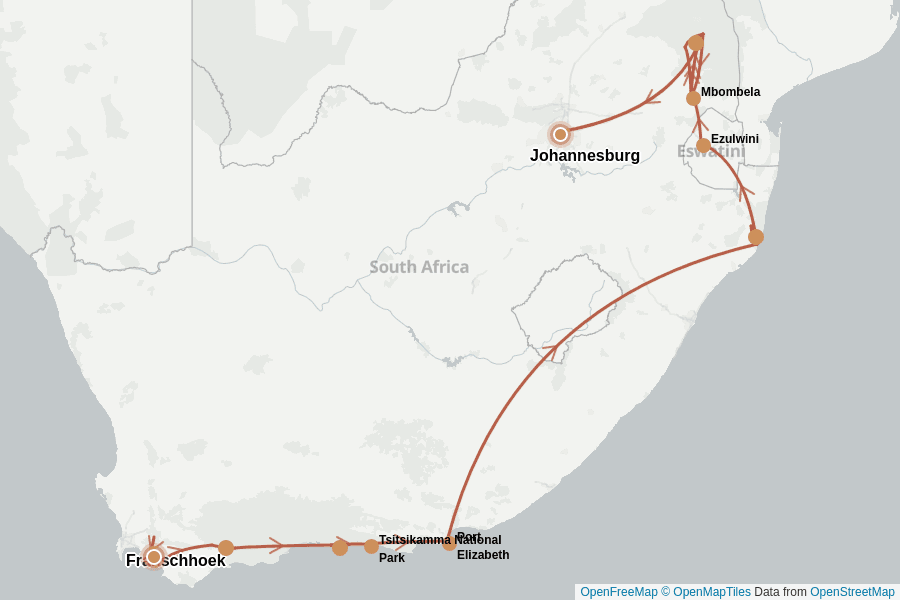
%3Aformat(webp)%2Fanimal%2F8c219cef-b5ca-4a51-8ef7-1f0a2405d7fb-263a2181.jpg&w=1920&q=75)
%3Aformat(webp)%2Fheader_media%2F73d95c73-897c-4a2a-ba56-4d516c123c2e-lioness-2801379_1280.jpg&w=1920&q=75)
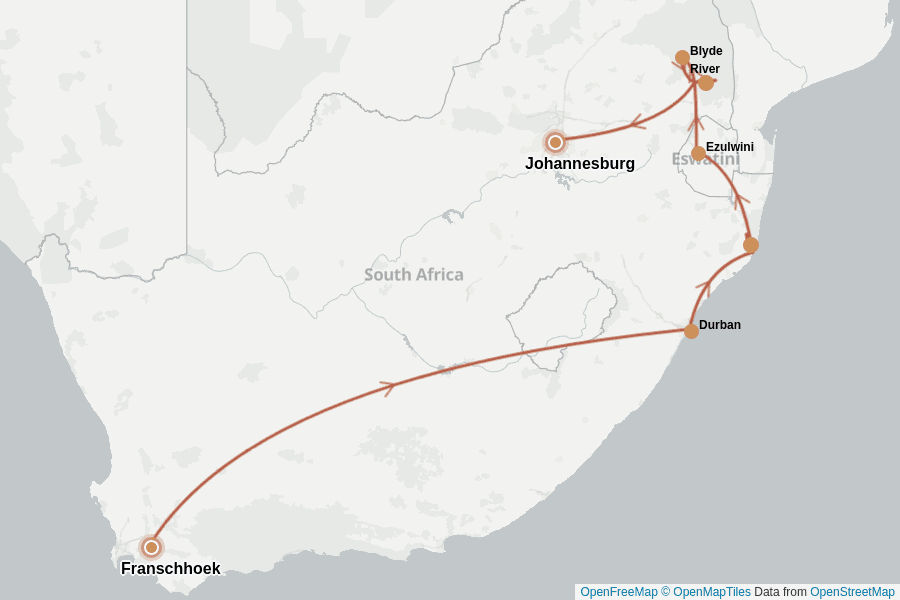
%3Aformat(webp)%2Fday_detail%2F209c26f5-64e9-4473-a675-5b351f0634c5-patrick-ward-bvovhygdlji-unsplash.jpg&w=1920&q=75)