%3Aformat(webp)%2Fhubspot_blogs%2F73312008539-captown_south_africa.png&w=1920&q=75)
South Africa rewards a little preparation. It offers world-class wildlife, one of the most beautiful cities on earth, and a history that is impossible to travel through without thinking about — all with excellent roads and familiar comforts.
This guide answers the practical questions UK travellers ask most before a trip to South Africa, so you arrive feeling ready rather than uncertain.
If a question here is not covered, our team — part UK-based, part on the ground in South Africa — is always happy to help.
%3Aformat(webp)%2Fhubspot_blogs%2F88673173776-campsbaycapetown.jpg&w=1920&q=75)
South Africa is the one country in our range where we would ask you to pay attention, and we would rather say so plainly than pretend otherwise. Crime rates in some urban areas are high, and that is a real feature of the country rather than a rumour.
What that means in practice is straightforward. We plan routes carefully, use trusted drivers and vehicles, and brief you on which areas to avoid and when. Do not walk around cities after dark, do not display phones, cameras or jewellery on the street, and do not leave anything visible in a car.
Done that way, the overwhelming majority of visits are entirely trouble-free. On safari and in the national parks you are in expert hands and the risks are different — follow your ranger, and never leave the vehicle unless told you may.
Standard travel sense still applies: keep your documents safe and take out travel insurance before you go.
British citizens travelling for tourism do not currently need a visa for South Africa and are usually granted a stay of up to 90 days on arrival. You will need a passport valid for at least 30 days beyond your departure date, with at least two completely blank pages.
That blank-page requirement catches people out and is enforced — check your passport before you fly.
Rules can change, so always confirm the latest requirements with the UK government's South Africa travel advice and the High Commission of South Africa in the UK before you travel. Different British nationality types, or longer stays for work or study, have different rules.
South Africa is a genuine year-round destination, and the seasons are reversed from ours.
Dry winter (May to September) - the best time for wildlife. The bush thins out, animals gather at waterholes, and they are far easier to spot. Cold mornings on game drives — bring a fleece, and mean it.
Summer (November to March) - warm and green, and the right time for Cape Town, the Garden Route and the coast. The bush is thick, so game viewing is harder.
One candid note: if wildlife is your priority, come in winter. If Cape Town is, come in summer. Doing both means a compromise somewhere, and the shoulder months either side of these are often the best answer.
%3Aformat(webp)%2Fhubspot_blogs%2F146800437851-Drakensberg.png&w=1920&q=75)
Our South Africa tours are among the most comfortable we run. Game drives are taken seated in a vehicle, the roads are good, and the walking is moderate — a few hours on your feet on a city or coastal day.
You do not need to be especially sporty, but you should be comfortable walking for a few hours and carrying a small day bag.
Optional extras are more demanding: hiking Table Mountain, or a guided bush walk, will ask more of you than the rest of the trip.
%3Aformat(webp)%2Fday_detail%2Fd1d14edb-64fb-4f8b-8fcc-7378be04651f-the-oysterbox-.jpeg&w=1920&q=75)
South African food is generous, varied and much better than its reputation - the braai (barbecue, and a social institution rather than a meal), Cape Malay curries, superb seafood on both coasts, and some of the best-value wine in the world in the Winelands.
Good news: vegetarians and vegans are well catered for in the cities, on the coast and at the lodges, where dietary needs are handled as a matter of course.
The tap water is safe to drink in the cities and at most lodges — a rarity in our range, and one less thing to think about.
If you have a serious allergy you must tell us at the time of booking. We'll do everything we can, but cross-contamination can't be fully guaranteed in every kitchen, so please plan accordingly.
%3Aformat(webp)%2Feeb740f4-9c7c-4081-aedc-344975a9a992-whatsapp-image-2021-12-01-at-16.37.58.jpeg&w=1920&q=75)
Plenty of our guests travel solo — a small group is one of the easiest, most sociable ways to see South Africa on your own.
You can choose to share a room with another solo traveller of the same gender, or book a single room for an additional fee.
Our reviews are full of travellers who arrived alone and left with friends.
Currency is the South African rand (R)
Cards and contactless are accepted almost everywhere — you will need less cash here than nearly anywhere else we go
Carry some cash for tips, markets and rural stops
Use ATMs inside banks or shopping centres, never on the street, and never accept help from a stranger at a machine
A travel eSIM or local SIM gives good coverage
Tipping is customary and matters: around 10% in restaurants, plus tips for guides, rangers and drivers
%3Aformat(webp)%2Fprovider%2Fc87ec00c-4e89-4d00-8ee4-c49609002cc3-screenshot-2022-01-06-at-12.34.27.png&w=1920&q=75)
Comfortable, well-located hotels, guesthouses and lodges chosen for character and setting.
On safari you will stay in game lodges inside or beside the reserves, where the wildlife comes to you and the evening sounds are the point. Standards are high and many are family-run.
On the coast and in the Winelands you will find boutique guesthouses and converted farmsteads rather than chain hotels — the accommodation is genuinely part of the experience here, not just a bed.
%3Aformat(webp)%2Fhubspot_blogs%2F82697226581-women_southafrica.jpg&w=1920&q=75)
Getting there: Flights are around 11-12h, usually overnight and often direct to Johannesburg or Cape Town. See our recommendations.
Time difference: South Africa is 1-2 hours ahead of the UK (2 in winter, 1 in summer); no daylight saving — and no jet lag worth the name
Currency: South African rand (R)
Plugs: Type M (three large round pins), 230V — a universal adapter is essential, as UK plugs do not fit
Language: 12 official languages; English is widely spoken everywhere
Passport: must have at least two completely blank pages — this is enforced
Best time to travel: dry winter (May to September) for wildlife; summer for Cape Town and the coast — see our South Africa tours
Our team can help with anything this guide did not cover.
Contact us
We’d love to hear from you. Please fill out this form.
All fields marked with (*) are mandatory.
%3Aformat(webp)%2Ff3bd3ce0-9458-4b6e-abac-3eda4912fb41-africa_ventura_logo_1200px_full_color.png&w=1920&q=75)
%3Aformat(webp)%2Fprofile-picture%2Fac95e35e-6142-427d-aed3-e90033adf0ad-f48c3f11-58cf-4cb0-b89a-0764861e6770-D885A1BB-2DA9-497D-B114-EF252CDD4CC3.jpg&w=1920&q=75)
%3Aformat(webp)%2Fprofile-picture%2F0db5ab50-a869-41b3-9221-bb91e536c520-999477b1-5216-43b6-b3fb-f565f2ac9517-a042073f-637d-45b9-82b9-7d2c97301c34.jpeg&w=1920&q=75)
%3Aformat(webp)%2Fprofile-picture%2Fbed004b2-b715-45cc-b38c-4900c26e4ee9-90b7e9e9-488d-47c9-a648-c60be255a696-91e9d39d-650f-44a6-8d8f-947829e288b4.jpeg&w=1920&q=75)
%3Aformat(webp)%2Fprofile-picture%2Fb022e753-45e7-48ae-8605-8426456967c6-98790099-4113-46e0-8c37-621e38d0b71c-0de1ba65-4104-4da4-aa33-383e85261d11.jpeg&w=1920&q=75)
%3Aformat(webp)%2Fprofile-picture%2Fff6f781f-e5ff-4007-bb3e-1f8360ff8854-c7881444-19de-4e87-a560-ccd4b609405b-b1ebb3c7-4166-41f0-a6f4-da715566df62-c7881444-19de-4e87-a560-ccd4b609405b-b9032ced-0d8c-49ee-881b-e2e5906b6871-c7881444-19de-4e87-a560-ccd4b609405b-3ac5895c-7d82-4ff2-8a91-3e79d18cdd0f-c7881444-19de-4e87-a560-ccd4b609405b-00997bca-7380-4c92-a82f-a1dbe4bd4d93-c5679819-7e4f-4949-ba42-0577a6baa53b-CEBC61F9-F18E-4455-824B-A277DED40398.jpg&w=1920&q=75)
%3Aformat(webp)%2Fprofile-picture%2Ff8cc0e36-6d99-4cd2-87ac-2c76b26d55b9-f9fda0d3-5236-456b-8e42-e1b44777b0af-798E9884-18B1-4FE3-9EC2-31E1A6AB786D.jpg&w=1920&q=75)
%3Aformat(webp)%2Fprofile-picture%2F39410910-6ddd-432e-94af-1f3714e95734-f9fda0d3-5236-456b-8e42-e1b44777b0af-0FCE1C72-AE89-4CE9-B223-D804A3D4FEDE.jpg&w=1920&q=75)
%3Aformat(webp)%2Fprofile-picture%2F99e676a3-b153-4bf5-927f-565a6388c891-99021a58-355a-492c-beb8-1167912e3847-84BBA9D2-32BA-4617-86FF-4FDF5BB167EA.jpg&w=1920&q=75)
%3Aformat(webp)%2Fheader_media%2F3d4d9ef1-1f7d-42e7-8713-e79e6e47f7c7-thibaut-tiberghien-fgfoffg7nl8-unsplash.jpg&w=1920&q=75)
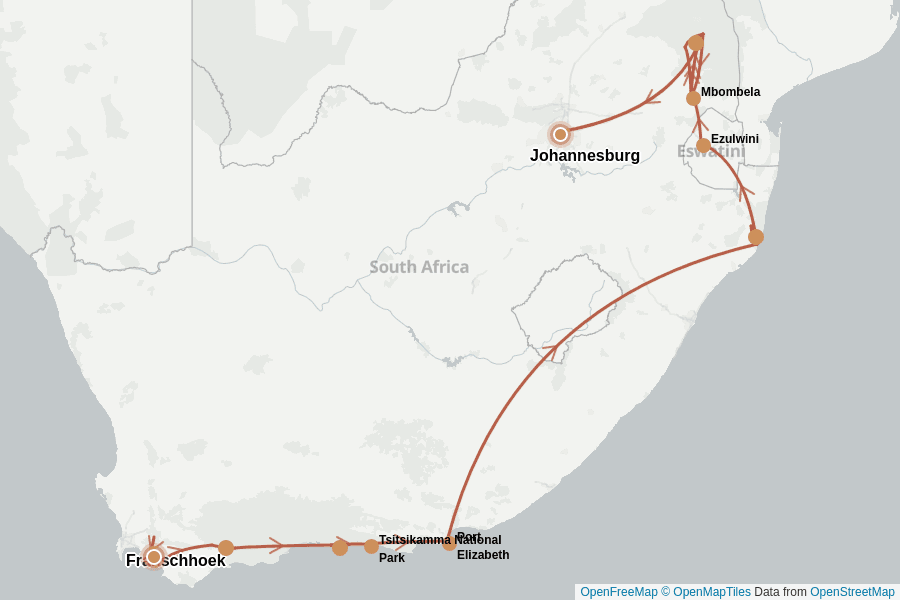
%3Aformat(webp)%2Fanimal%2F8c219cef-b5ca-4a51-8ef7-1f0a2405d7fb-263a2181.jpg&w=1920&q=75)
%3Aformat(webp)%2Fheader_media%2F73d95c73-897c-4a2a-ba56-4d516c123c2e-lioness-2801379_1280.jpg&w=1920&q=75)
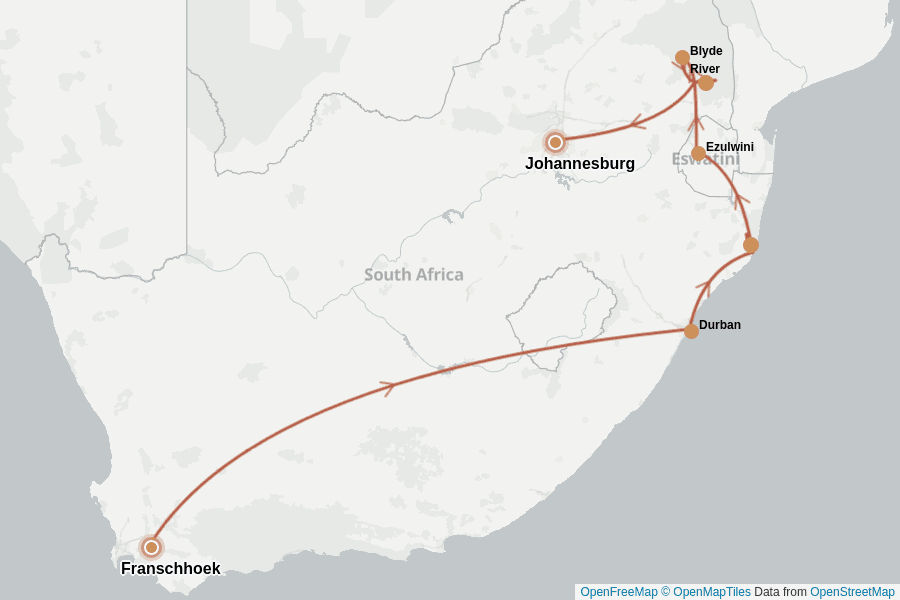
%3Aformat(webp)%2Fday_detail%2F209c26f5-64e9-4473-a675-5b351f0634c5-patrick-ward-bvovhygdlji-unsplash.jpg&w=1920&q=75)