%3Aformat(webp)%2Fhubspot_blogs%2F182543329155-Drakensberg.png&w=1920&q=75)
Yes — a South African safari is one of the most over-60-friendly big adventures there is, which is exactly why it's so popular with this age group. You watch wildlife from a comfortable vehicle rather than on foot, the pace is unhurried with plenty of downtime, the lodges are genuinely comfortable, and there's no altitude to contend with. For many travellers in their 60s, 70s and beyond, a safari turns out to be far gentler and more relaxing than they expected.
The honest things to plan around are minor: some early morning starts for game drives, stepping up into a raised 4x4, bumpy tracks, strong sun, and — in certain areas — malaria, which is easily sidestepped by choosing a malaria-free reserve. None of these are barriers for most people; they're simply things worth knowing.
Below we explain what a safari day actually involves, the comfort and mobility realities, how to handle malaria and health, and how to plan a trip that suits your pace.
The quick answer
A safari is built around the animals' rhythm, which happily suits an unhurried style of travel. A typical day:
You spend the active parts seated in a vehicle, not walking, so the physical demand is low. The early starts are the main adjustment, and they're easily offset by the long midday rests. Optional guided bush walks are available at many lodges for those who want them — but they're never compulsory.
%3Aformat(webp)%2Fhubspot_blogs%2F182543329155-GardenRoute.png&w=1920&q=75)
Safaris are comfortable, but a few physical realities are worth knowing:
The key is simply to be honest with your operator about any mobility limits in advance. With the right lodge and vehicle, a safari is comfortably within reach for the great majority of over-60s, including those who aren't especially mobile.
The one genuine health question is malaria, and it has an easy answer.
Discuss your health with your GP before booking if you have any concerns; for most people a safari is very manageable, and choosing a malaria-free reserve makes it simpler still.
%3Aformat(webp)%2Fhubspot_blogs%2F182543329155-CapeTown.png&w=1920&q=75)
One of a safari's quiet virtues is its gentle rhythm — active drives bookended by real rest, which suits a wide range of fitness and energy levels. You're never route-marched, and there's no pressure to keep up.
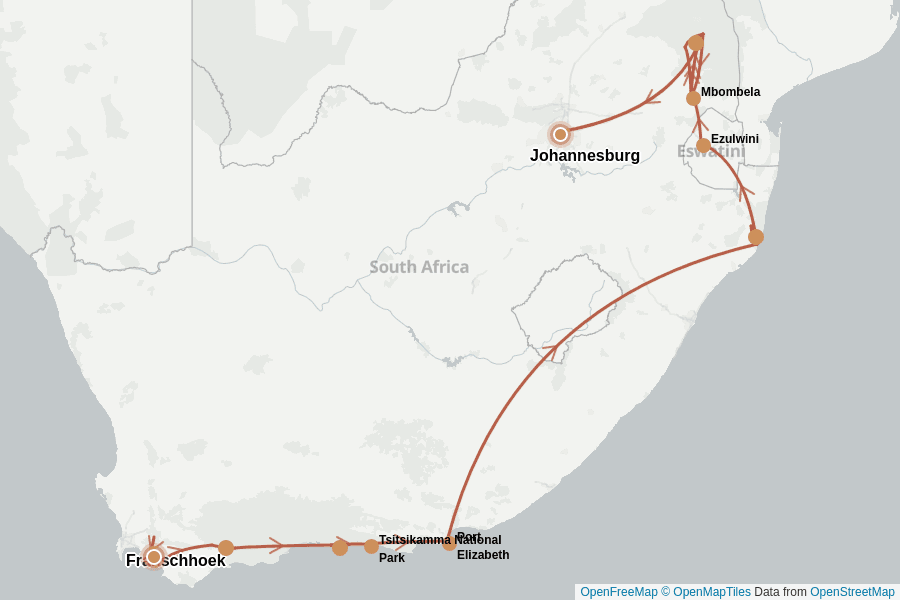
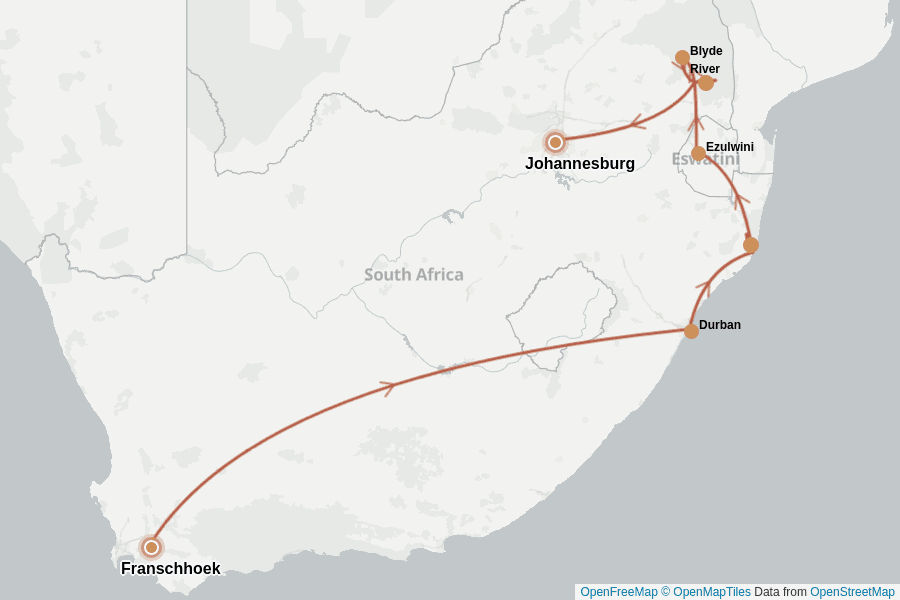
For a well-balanced South African trip, many over-60s pair a few days of safari with the Cape Town area, the Winelands and the Garden Route — malaria-free, temperate, and full of easy pleasures like coastal drives, wine tasting and gentle sightseeing. That combination gives you the thrill of the wildlife with plenty of relaxed, comfortable days around it. Two weeks is ideal for this; even ten days works well with a sensible route.
How our experience helps
We design our safaris around comfort and pace, not endurance. Our groups are small, so the vehicle isn't crowded and the guide can help you in and out and set an easy tempo. We choose lodges for genuine comfort and, where it suits you, malaria-free reserves to keep things simple. We build in the generous midday rests, pair the bush with the gentler pleasures of the Cape, and handle every transfer and detail. For a great many of our travellers, a safari with us was proof that the trip they'd dreamed of was not only possible in their 60s or 70s, but one of the most relaxing holidays they'd had.
Frequently asked questions
Do you have to be fit to go on safari? No. You view wildlife seated in a vehicle, with lots of rest between drives. Basic mobility — being able to step up into a 4x4 with a hand — is all that's really needed.
Are safaris suitable for someone with limited mobility? Often yes, with the right lodge and vehicle. Tell your operator about any limitations and they can arrange easier vehicles, accessible rooms and extra assistance.
Can I avoid malaria on a South African safari? Yes — choose a malaria-free reserve such as those in the Eastern Cape, Madikwe or the Waterberg. They offer excellent Big Five viewing without the need for antimalarial tablets.
How early do safari game drives start? Usually around dawn, as that's when animals are most active. The early start is offset by a long, restful middle of the day, and afternoon drives are at a more leisurely hour.
Is a safari too tiring for older travellers? Generally the opposite — the pace is gentle, with plenty of downtime. The main tiring element is early mornings, easily balanced by midday rest.
What should I pack for a safari? Neutral-coloured layers for cool mornings and warm days, a hat, sunglasses, high-factor sunscreen, insect repellent, binoculars and any medication. Lodges are comfortable and often provide laundry.
Related reading
Select Date Range
Contact us
We’d love to hear from you. Please fill out this form.
All fields marked with (*) are mandatory.
%3Aformat(webp)%2Fhubspot_blogs%2F182543329155-Drakensberg.png&w=1920&q=75)
%3Aformat(webp)%2Fhubspot_blogs%2F177312358252-MeilleurepriodesafariAfrique6.png&w=1920&q=75)
%3Aformat(webp)%2Ff3bd3ce0-9458-4b6e-abac-3eda4912fb41-africa_ventura_logo_1200px_full_color.png&w=1920&q=75)
%3Aformat(webp)%2Fprofile-picture%2Fac95e35e-6142-427d-aed3-e90033adf0ad-f48c3f11-58cf-4cb0-b89a-0764861e6770-D885A1BB-2DA9-497D-B114-EF252CDD4CC3.jpg&w=1920&q=75)
%3Aformat(webp)%2Fprofile-picture%2F0db5ab50-a869-41b3-9221-bb91e536c520-999477b1-5216-43b6-b3fb-f565f2ac9517-a042073f-637d-45b9-82b9-7d2c97301c34.jpeg&w=1920&q=75)
%3Aformat(webp)%2Fprofile-picture%2Fbed004b2-b715-45cc-b38c-4900c26e4ee9-90b7e9e9-488d-47c9-a648-c60be255a696-91e9d39d-650f-44a6-8d8f-947829e288b4.jpeg&w=1920&q=75)
%3Aformat(webp)%2Fprofile-picture%2Fb022e753-45e7-48ae-8605-8426456967c6-98790099-4113-46e0-8c37-621e38d0b71c-0de1ba65-4104-4da4-aa33-383e85261d11.jpeg&w=1920&q=75)
%3Aformat(webp)%2Fprofile-picture%2Fff6f781f-e5ff-4007-bb3e-1f8360ff8854-c7881444-19de-4e87-a560-ccd4b609405b-b1ebb3c7-4166-41f0-a6f4-da715566df62-c7881444-19de-4e87-a560-ccd4b609405b-b9032ced-0d8c-49ee-881b-e2e5906b6871-c7881444-19de-4e87-a560-ccd4b609405b-3ac5895c-7d82-4ff2-8a91-3e79d18cdd0f-c7881444-19de-4e87-a560-ccd4b609405b-00997bca-7380-4c92-a82f-a1dbe4bd4d93-c5679819-7e4f-4949-ba42-0577a6baa53b-CEBC61F9-F18E-4455-824B-A277DED40398.jpg&w=1920&q=75)
%3Aformat(webp)%2Fprofile-picture%2Ff8cc0e36-6d99-4cd2-87ac-2c76b26d55b9-f9fda0d3-5236-456b-8e42-e1b44777b0af-798E9884-18B1-4FE3-9EC2-31E1A6AB786D.jpg&w=1920&q=75)
%3Aformat(webp)%2Fprofile-picture%2F39410910-6ddd-432e-94af-1f3714e95734-f9fda0d3-5236-456b-8e42-e1b44777b0af-0FCE1C72-AE89-4CE9-B223-D804A3D4FEDE.jpg&w=1920&q=75)
%3Aformat(webp)%2Fprofile-picture%2F99e676a3-b153-4bf5-927f-565a6388c891-99021a58-355a-492c-beb8-1167912e3847-84BBA9D2-32BA-4617-86FF-4FDF5BB167EA.jpg&w=1920&q=75)
%3Aformat(webp)%2Fheader_media%2F3d4d9ef1-1f7d-42e7-8713-e79e6e47f7c7-thibaut-tiberghien-fgfoffg7nl8-unsplash.jpg&w=1920&q=75)
%3Aformat(webp)%2Fanimal%2F8c219cef-b5ca-4a51-8ef7-1f0a2405d7fb-263a2181.jpg&w=1920&q=75)
%3Aformat(webp)%2Fheader_media%2F73d95c73-897c-4a2a-ba56-4d516c123c2e-lioness-2801379_1280.jpg&w=1920&q=75)
%3Aformat(webp)%2Fday_detail%2F209c26f5-64e9-4473-a675-5b351f0634c5-patrick-ward-bvovhygdlji-unsplash.jpg&w=1920&q=75)