%3Aformat(webp)%2Fhubspot_blogs%2F182543329155-Drakensberg.png&w=1920&q=75)
Yes — South Africa is safe to visit for travellers over 60, and enjoyed by large numbers of them every year, provided you take sensible precautions and, ideally, travel with a good operator. It's one of the world's great destinations for wildlife and scenery, and on safari and in well-run tourist areas you are exceptionally well looked after. The honest caveat is that South Africa has higher crime than the UK, concentrated in cities and around cars — so a little street-sense and the right arrangements matter more here than in, say, Europe.
Your age is not the issue; how and where you travel is. The overwhelming majority of incidents are opportunistic property and vehicle crime in urban areas, avoided with familiar precautions. On a guided small-group safari, with transport and accommodation arranged and local guides who know exactly where to go, the day-to-day risks largely fall away.
Below is an honest account of the real risks — in cities, on the roads and in the parks — plus health and wildlife safety, and the simple habits that keep you comfortable throughout.
The quick answer
There's no point pretending otherwise: South Africa has a high crime rate, and the UK government is candid that violent crime can occur anywhere, including tourist areas. But context matters enormously. The great majority of serious crime is concentrated in specific urban areas — townships and inner-city districts, especially after dark — that visitors on a well-planned trip simply don't go to. What tourists most commonly encounter, if anything, is opportunistic theft and vehicle-related crime. Tens of thousands of British holidaymakers visit every year and have a wonderful, trouble-free time. The goal isn't to be fearful; it's to be sensible, and to let a good operator handle the parts where local knowledge counts.
%3Aformat(webp)%2Fhubspot_blogs%2F182543329155-GardenRoute.png&w=1920&q=75)
In Cape Town and Johannesburg, apply the street-sense you would in any large city, dialled up a notch:
Handled this way, the cities are rewarding and their risks manageable — Cape Town in particular is a highlight of most trips.
If there's one area to take seriously, it's the roads — both ordinary accidents and vehicle crime.
For most over-60s the simplest answer is to let someone else drive — a guided trip with a professional driver removes this risk almost entirely, which is a large part of why organised safaris feel so relaxed.
%3Aformat(webp)%2Fhubspot_blogs%2F182543329155-CapeTown.png&w=1920&q=75)
Here's the reassuring part: the safari heart of a South African trip is where you're safest. Private game reserves and well-run national parks are secure, managed environments with professional guides, and crime is rarely a concern within them. Your days are structured around game drives with experienced rangers who know the terrain and the wildlife. The sensible notes are to follow your guide's instructions around animals, stay in the vehicle on drives unless told otherwise, and respect the parks' routines. One specific tip for the Kruger area: some gates and self-drive routes have had incidents, so flying in or joining a private, guided safari is both easier and safer than driving yourself to remote gates. On our trips this is all arranged, so you simply enjoy the wildlife.
A few non-crime points round out the picture:
None of this is onerous; it's the ordinary preparation that makes a safari trip run smoothly.
%3Aformat(webp)%2Fhubspot_blogs%2F182543329155-SeasonsSouthAfrica6.png&w=1920&q=75)
How our experience helps
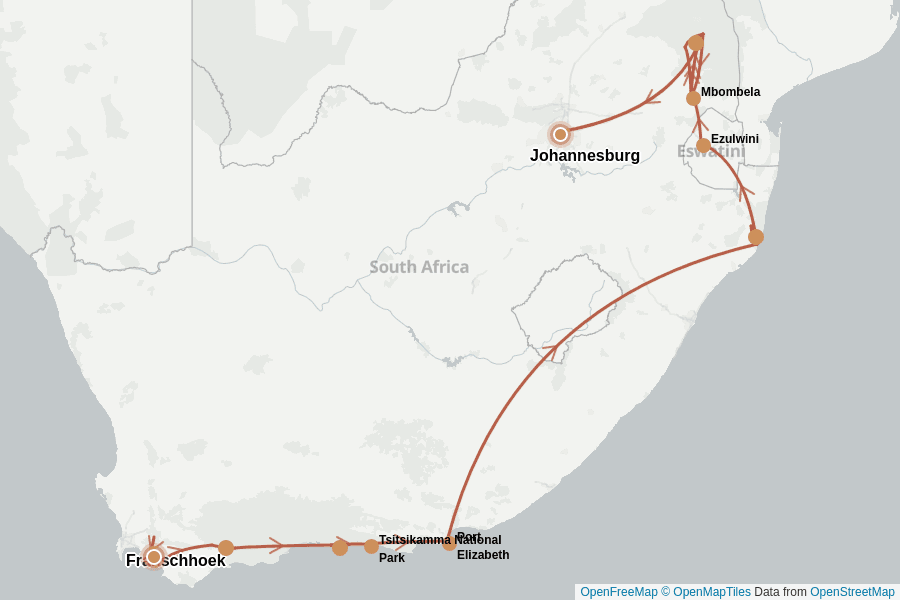
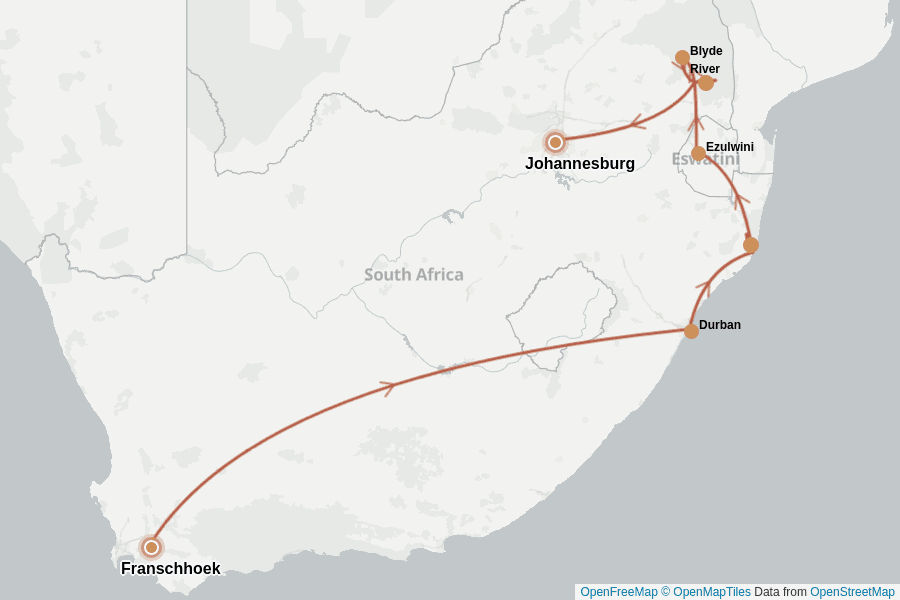
Small-group travel with a local team removes most of what makes South Africa feel daunting from afar. Your transfers and transport are arranged, so the road risks largely disappear; your guides know exactly which areas to enjoy and which to skip; accommodation is chosen for comfort and security; and someone is always on hand if you need anything. Our routes are built around the safari reserves and the well-managed highlights — Cape Town, the Winelands, the Garden Route — where you're both safest and most rewarded. For many of our over-60s travellers, that support is exactly what turns "is South Africa safe?" into one of the best trips they've taken.
Frequently asked questions
Is South Africa safe for older tourists? Yes, with sensible precautions and, ideally, a guided trip. The main risks are urban property and vehicle crime, which good arrangements largely remove; the safari areas are safe and well managed.
Is it safe to go on safari in South Africa? Very — the reserves and parks are secure, professionally guided environments, and safari is the safest part of most trips. Follow your ranger's instructions around wildlife and you'll be well looked after.
Is it safe to drive in South Africa? It's the area needing most care, for both accidents and vehicle crime. Keep windows up, valuables hidden, avoid driving at night, and consider letting a guide drive. On an organised trip this is handled for you.
Is Cape Town safe for tourists? Yes, with normal big-city caution — keep valuables out of sight, use arranged transport after dark, and stick to busy areas. Cape Town is a highlight of most trips and very enjoyable.
Do I need malaria tablets for South Africa? Only for certain areas — the Kruger and Lowveld are malaria zones, while Cape Town, the Garden Route and many private reserves are malaria-free. Ask your GP or travel clinic based on your itinerary.
Should I carry cash or use cards? Use cards where you can and draw modest cash from ATMs inside malls or banks. Don't flash cash, and change larger sums only in secure places.
Related reading
Select Date Range
Contact us
We’d love to hear from you. Please fill out this form.
All fields marked with (*) are mandatory.
%3Aformat(webp)%2Fhubspot_blogs%2F182543329155-Drakensberg.png&w=1920&q=75)
%3Aformat(webp)%2Fhubspot_blogs%2F177312358252-MeilleurepriodesafariAfrique6.png&w=1920&q=75)
%3Aformat(webp)%2Ff3bd3ce0-9458-4b6e-abac-3eda4912fb41-africa_ventura_logo_1200px_full_color.png&w=1920&q=75)
%3Aformat(webp)%2Fprofile-picture%2Fac95e35e-6142-427d-aed3-e90033adf0ad-f48c3f11-58cf-4cb0-b89a-0764861e6770-D885A1BB-2DA9-497D-B114-EF252CDD4CC3.jpg&w=1920&q=75)
%3Aformat(webp)%2Fprofile-picture%2F0db5ab50-a869-41b3-9221-bb91e536c520-999477b1-5216-43b6-b3fb-f565f2ac9517-a042073f-637d-45b9-82b9-7d2c97301c34.jpeg&w=1920&q=75)
%3Aformat(webp)%2Fprofile-picture%2Fbed004b2-b715-45cc-b38c-4900c26e4ee9-90b7e9e9-488d-47c9-a648-c60be255a696-91e9d39d-650f-44a6-8d8f-947829e288b4.jpeg&w=1920&q=75)
%3Aformat(webp)%2Fprofile-picture%2Fb022e753-45e7-48ae-8605-8426456967c6-98790099-4113-46e0-8c37-621e38d0b71c-0de1ba65-4104-4da4-aa33-383e85261d11.jpeg&w=1920&q=75)
%3Aformat(webp)%2Fprofile-picture%2Fff6f781f-e5ff-4007-bb3e-1f8360ff8854-c7881444-19de-4e87-a560-ccd4b609405b-b1ebb3c7-4166-41f0-a6f4-da715566df62-c7881444-19de-4e87-a560-ccd4b609405b-b9032ced-0d8c-49ee-881b-e2e5906b6871-c7881444-19de-4e87-a560-ccd4b609405b-3ac5895c-7d82-4ff2-8a91-3e79d18cdd0f-c7881444-19de-4e87-a560-ccd4b609405b-00997bca-7380-4c92-a82f-a1dbe4bd4d93-c5679819-7e4f-4949-ba42-0577a6baa53b-CEBC61F9-F18E-4455-824B-A277DED40398.jpg&w=1920&q=75)
%3Aformat(webp)%2Fprofile-picture%2Ff8cc0e36-6d99-4cd2-87ac-2c76b26d55b9-f9fda0d3-5236-456b-8e42-e1b44777b0af-798E9884-18B1-4FE3-9EC2-31E1A6AB786D.jpg&w=1920&q=75)
%3Aformat(webp)%2Fprofile-picture%2F39410910-6ddd-432e-94af-1f3714e95734-f9fda0d3-5236-456b-8e42-e1b44777b0af-0FCE1C72-AE89-4CE9-B223-D804A3D4FEDE.jpg&w=1920&q=75)
%3Aformat(webp)%2Fprofile-picture%2F99e676a3-b153-4bf5-927f-565a6388c891-99021a58-355a-492c-beb8-1167912e3847-84BBA9D2-32BA-4617-86FF-4FDF5BB167EA.jpg&w=1920&q=75)
%3Aformat(webp)%2Fheader_media%2F3d4d9ef1-1f7d-42e7-8713-e79e6e47f7c7-thibaut-tiberghien-fgfoffg7nl8-unsplash.jpg&w=1920&q=75)
%3Aformat(webp)%2Fanimal%2F8c219cef-b5ca-4a51-8ef7-1f0a2405d7fb-263a2181.jpg&w=1920&q=75)
%3Aformat(webp)%2Fheader_media%2F73d95c73-897c-4a2a-ba56-4d516c123c2e-lioness-2801379_1280.jpg&w=1920&q=75)
%3Aformat(webp)%2Fday_detail%2F209c26f5-64e9-4473-a675-5b351f0634c5-patrick-ward-bvovhygdlji-unsplash.jpg&w=1920&q=75)